

In the global trade of fresh flower exports, sourcing models play a major role in determining quality, reliability, and cost efficiency.
Among the available options, many international buyers increasingly prefer to work with exporters who supply flowers directly from farms rather than through multiple intermediaries.
This preference is driven by freshness, transparency, and greater control across the supply chain.
Understanding why direct-from-farm sourcing is favored helps buyers make informed decisions and evaluate exporters more accurately.
What Direct-From-Farm Exporting Means
Direct-from-farm exporters manage or control the supply chain starting at the production level.
Flowers are harvested, processed, packed, and shipped without passing through multiple traders or consolidation layers.
This structure reduces handling steps and shortens the path between grower and buyer.
In international fresh flower exports, fewer intermediaries typically translate into fewer delays and quality risks.
Reduced Handling and Improved Freshness
Each handling point in the supply chain introduces risk.
Flowers may be exposed to temperature fluctuations, mechanical damage, or dehydration during transfers.
By sourcing directly from farms, exporters minimize these risks.
Direct-from-farm exporters move flowers quickly from harvest to cold storage.
This tight control supports longer vase life and better visual quality upon arrival.
For buyers, improved freshness is one of the most tangible benefits of direct sourcing in fresh flower exports.
Greater Control Over Quality Standards
Direct exporters can enforce consistent quality standards at the farm level.
They control harvesting practices, grading criteria, and post-harvest handling.
This reduces variability between shipments.
Exporters working through intermediaries may have limited visibility into upstream practices.
In contrast, direct-from-farm exporters ensure that only export-grade flowers enter international cut flower shipments.
Pricing Transparency and Cost Efficiency
Intermediaries add cost at each stage of the supply chain.
While consolidation can offer convenience, it often reduces pricing transparency.
Buyers may pay higher prices without clear insight into cost drivers.
Direct-from-farm exporters offer clearer pricing structures.
Buyers understand how production costs, logistics, and margins contribute to final pricing.
This transparency is especially valuable in wholesale fresh flowers markets where margins are closely managed.
Faster Response to Market Demand
Direct sourcing allows exporters to respond quickly to changes in demand.
They can adjust harvest volumes, varieties, or packaging with minimal delay.
This flexibility is critical during peak seasons or promotional periods.
Exporters relying on intermediaries often face slower response times due to coordination challenges.
Direct-from-farm models support agility in international fresh flower exports.
Better Traceability and Compliance
Traceability is increasingly important in global agricultural trade.
Buyers want to know where flowers are grown and how they are handled.
Direct exporters provide clearer traceability because they manage the supply chain from the source.
This traceability supports compliance with plant health regulations and sustainability expectations.
It also simplifies documentation and reduces risk during international flower shipping.
Stronger Communication and Relationship Building
Direct relationships enable clearer communication between buyers and exporters.
Buyers can discuss quality specifications, packaging preferences, and delivery schedules directly with decision-makers.
This reduces misunderstandings and improves outcomes.
Over time, these relationships support long-term sourcing partnerships.
In fresh flower exports, consistent collaboration leads to improved performance on both sides.
Risk Reduction Through Supply Chain Visibility
Direct exporters have full visibility into production and logistics.
They can identify and address issues before they escalate.
This proactive approach reduces disruptions and improves reliability.
Buyers benefit from fewer surprises and more predictable delivery performance in international fresh flower exports.
When Intermediaries Still Play a Role
While direct sourcing offers many advantages, intermediaries can still be useful in certain situations.
They may provide access to small producers or mixed assortments.
However, for buyers prioritizing consistency and scale, direct-from-farm exporters remain the preferred option.
Why Direct Sourcing Continues to Grow
As global flower trade becomes more competitive, buyers seek partners who can deliver consistent quality, transparency, and reliability.
Direct-from-farm exporters meet these expectations more effectively than fragmented supply chains.
In fresh flower exports, the ability to control quality from harvest to delivery is a decisive advantage.
For buyers building long-term sourcing strategies, direct-from-farm relationships offer a strong foundation for sustainable success.

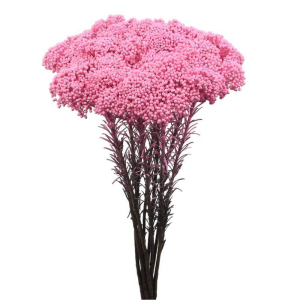
 Esmeralda Farms
 Astra Fund
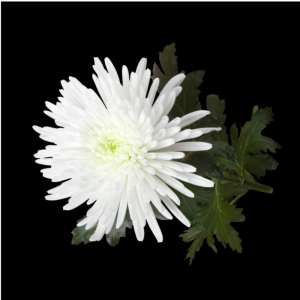

 Herbal Oasis
 SAAEE-Aquaculture

 Sibanye-Stillwater