

Overview of Fresh Flower Exports
Fresh flower exports play a critical role in the global horticulture and floriculture trade.
Cut flowers are shipped daily across continents to serve wholesalers, importers, distributors, and retail supply chains that depend on speed, consistency, and quality.
The international flower export market connects farms directly with buyers through carefully managed logistics, strict quality controls, and time-sensitive transportation.
Wholesale fresh flowers are exported primarily by air due to their perishable nature.
Exporters focus on maintaining freshness from harvest through final delivery by combining post-harvest handling, cold chain management, and export-grade packaging.
For buyers, reliable fresh flower exports mean predictable quality, longer vase life, and reduced losses upon arrival.
What Are Fresh Flower Exports?
Fresh flower exports refer to the international trade of freshly harvested cut flowers shipped for commercial use.
These flowers are typically grown for wholesale markets rather than local retail sale.
They are harvested at specific maturity stages to ensure optimal appearance and longevity after transport.
Fresh cut flower exports differ from live plant exports in both handling and regulatory requirements.
Cut flowers are usually shipped without roots or soil, making them easier to transport and inspect.
This distinction allows exporters to move large volumes efficiently while meeting phytosanitary standards.
Global Demand for Wholesale Fresh Flowers
Demand for wholesale fresh flowers is driven by retail florists, supermarkets, event suppliers, and distribution networks worldwide.
Major importing regions include Europe, North America, the Middle East, and parts of Asia.
These markets prioritize consistent supply, standardized grading, and dependable delivery schedules.
Seasonal demand plays a major role in the fresh flower export industry.
Holidays, cultural events, and regional climate differences influence buying cycles throughout the year.
Exporters who understand global demand patterns are better positioned to supply buyers at competitive prices.
How Fresh Flower Export Supply Chains Work
The fresh flower export supply chain begins at the farm level.
Flowers are harvested according to variety-specific standards that maximize vase life and visual appeal.
Immediate post-harvest handling helps prevent dehydration and temperature shock.
After harvesting, flowers are graded, bunched, and prepared for export packaging.
Cold storage is used to slow respiration and preserve freshness before shipment.
Once cleared for export, flowers are transported to airports and loaded into temperature-controlled cargo systems.
Air freight is the preferred method for exporting fresh cut flowers.
Short transit times reduce spoilage and help ensure flowers arrive in market-ready condition.
Efficient coordination between growers, exporters, freight handlers, and importers is essential.
Cold Chain Management in Fresh Flower Exports
Cold chain management is one of the most important factors in successful fresh flower exports.
Temperature control must be maintained from harvest through final delivery.
Even short interruptions in the cold chain can reduce shelf life and market value.
Exporters typically use pre-cooling, refrigerated storage, insulated packaging, and temperature-monitored transport.
Airport handling procedures are designed to minimize exposure to heat during loading and unloading.
Buyers often evaluate exporters based on their ability to maintain a consistent cold chain.
Quality Standards and Grading for Exported Flowers
Fresh flower export quality is determined by appearance, stem strength, bud development, and uniformity.
Exporters grade flowers according to length, maturity, and visual condition.
Only flowers meeting export-grade specifications are selected for international shipment.
Quality inspections often take place before packaging and again prior to export clearance.
This process reduces rejection rates and helps maintain buyer confidence.
Reliable quality standards are a key factor when buyers choose long-term supply partners.
Packaging and Handling of Fresh Cut Flowers
Export packaging is designed to protect flowers while allowing airflow and moisture control.
Common packaging includes reinforced cartons, hydration wraps, and protective sleeves.
Proper packaging minimizes mechanical damage and dehydration during transit.
Labeling and handling instructions are important for international shipments.
Packages must clearly indicate temperature requirements and handling orientation.
Well-designed packaging supports both compliance and product integrity.
Documentation and Compliance in Flower Exports
Fresh flower exports require specific documentation to comply with international trade regulations.
Phytosanitary certificates confirm that flowers meet importing country health standards.
Commercial invoices, packing lists, and transport documents support customs clearance.
Compliance requirements vary by destination market.
Exporters must stay informed about import regulations, inspection protocols, and documentation standards.
Accurate paperwork reduces delays and protects shipment value.
Lead Times and Delivery Expectations
Fresh flower export lead times depend on harvest schedules, processing time, and destination distance.
Most exports are delivered within a few days of harvest.
Buyers rely on predictable lead times to manage inventory and sales planning.
Clear communication between exporters and buyers helps align expectations.
Reliable lead times are a key competitive advantage in wholesale flower trade.
Exporters who consistently meet delivery windows build stronger buyer relationships.
Sustainability in Fresh Flower Exports
Sustainability is becoming increasingly important in the global flower trade.
Buyers are paying more attention to water use, energy efficiency, and waste reduction.
Environmentally responsible practices help exporters meet evolving market expectations.
Sustainable packaging, efficient logistics, and responsible farm management contribute to long-term viability.
Ethical labor practices also play a role in buyer decision-making.
Sustainability initiatives can strengthen exporter credibility in international markets.
Choosing Reliable Fresh Flower Exporters
Buyers evaluate fresh flower exporters based on quality consistency, logistics capability, and compliance reliability.
Direct-from-farm exporters often offer better traceability and freshness.
Strong communication and transparency are essential for long-term partnerships.
Certifications, export experience, and cold chain infrastructure are key indicators of reliability.
Buyers typically seek exporters who can scale supply while maintaining standards.
Choosing the right supplier reduces risk and improves overall supply chain performance.
Fresh Flower Exports in the Global Wholesale Market
Fresh flower exports connect growers and buyers across borders through structured, time-sensitive supply chains.
Success in this market depends on quality control, logistics expertise, and regulatory compliance.
For buyers, wholesale fresh flower exports provide access to consistent, high-quality supply throughout the year.

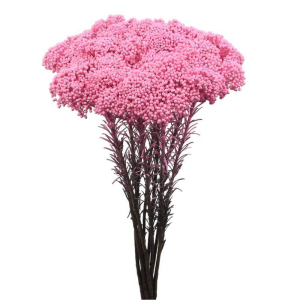
 Esmeralda Farms
 Astra Fund
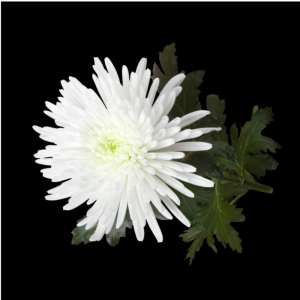
 Emirates Oil Corporation

 Reboni

 Herbal Oasis