

Global trade in fresh flower exports is shaped by a relatively small number of flower varieties that perform well under international shipping conditions and meet consistent market demand.
These varieties combine visual appeal with durability, predictable growth cycles, and strong buyer recognition.
For buyers sourcing internationally, understanding which flower types dominate exports helps with assortment planning, supplier selection, and logistics coordination.
While niche and specialty flowers exist, large-scale international fresh flower exports rely on varieties that balance beauty with commercial practicality.
Why Certain Flower Varieties Dominate Exports
Not all flowers are suitable for export.
Exportable varieties must tolerate cold storage, long transit times, and repeated handling.
They must also maintain appearance and vase life after arrival.
Varieties that fail to meet these criteria rarely scale beyond local markets.
Those that succeed become staples of global fresh flower exports, supported by established production systems and logistics infrastructure.
Roses: The Cornerstone of Global Flower Trade
Roses are the most widely exported cut flower in the world.
They offer strong consumer recognition, wide color variation, and adaptability to different climates.
Roses perform exceptionally well in fresh flower exports by air freight due to their sturdy stems and controlled blooming behavior.
Export-quality roses are graded by stem length, bud size, and maturity.
Consistency is critical for wholesale buyers supplying retail and event markets.
Exporters specializing in roses often invest heavily in post-harvest handling and cold chain systems to protect vase life.
Carnations: Durability and Cost Efficiency
Carnations are another major export variety due to their resilience.
They tolerate longer transit times and temperature variation better than many other flowers.
This makes them well-suited for international cut flower shipments.
Carnations also offer a favorable price-to-longevity ratio.
Their extended vase life appeals to both wholesalers and retailers.
For buyers seeking reliable volume at predictable pricing, carnations remain a cornerstone of wholesale fresh flowers supply.
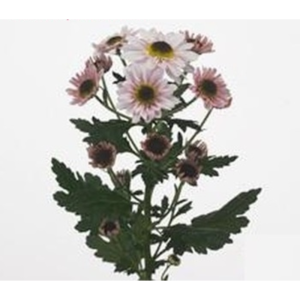
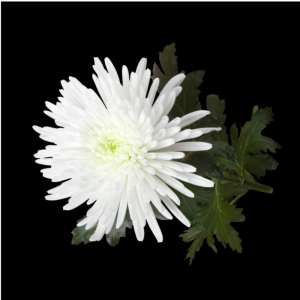
Chrysanthemums: Versatility and Long Shelf Life
Chrysanthemums are exported in large volumes due to their durability and versatility.
They are used in decorative, ceremonial, and cultural contexts across multiple regions.
Their long shelf life makes them ideal for international flower shipping.
Exporters often grow chrysanthemums under controlled conditions to ensure uniform quality.
Their resistance to transport stress reduces risk for buyers sourcing across long distances.
Lilies: High Value with Higher Handling Requirements
Lilies occupy a premium segment within fresh flower exports.
They command higher prices due to their visual impact and symbolic value.
However, they require careful handling to prevent premature blooming or damage.
Temperature control and packaging are critical when exporting lilies.
Despite these challenges, their strong market demand justifies the added complexity for experienced exporters.
Gerberas: Bright Appeal with Moderate Durability
Gerberas are popular for their vibrant colors and modern aesthetic.
They are widely used in bouquets and arrangements but are more sensitive to handling than roses or carnations.
Exporters mitigate this sensitivity through specialized packaging and hydration techniques.
When properly managed, gerberas perform reliably in international fresh flower exports.
Alstroemeria and Other Supporting Varieties
Alstroemeria is valued for its long vase life and resistance to transport stress.
It is commonly included in mixed shipments and bouquets.
Other supporting export varieties include tulips, statice, and gypsophila.
These flowers complement major varieties and allow exporters to offer diversified assortments to buyers.
Variety Selection and Market Demand
Variety popularity varies by region and end market.
Retail trends, cultural preferences, and seasonal demand influence buyer choices.
Exporters align production with these patterns to maintain competitiveness.
Buyers sourcing internationally benefit from understanding which varieties offer stability versus which are trend-driven.
Stable varieties reduce risk in fresh flower exports, while niche varieties add differentiation.
Logistics and Variety Performance
Different varieties respond differently to transport conditions.
Durable flowers reduce loss during fresh flower exports by air freight.
More sensitive varieties require stronger cold chain management.
Exporters with expertise across multiple varieties can advise buyers on optimal selections based on route, season, and market conditions.
Why Variety Knowledge Matters for Buyers
Understanding the most exported flower varieties helps buyers make informed sourcing decisions.
It improves quality consistency, reduces logistical risk, and supports pricing strategy.
In global fresh flower exports, success depends not only on where flowers are grown, but on choosing varieties that align with international trade realities.
Knowledge of export-dominant varieties is a foundational advantage in building reliable flower supply chains.

 Esmeralda Farms
 Astra Fund

 Sagro
