

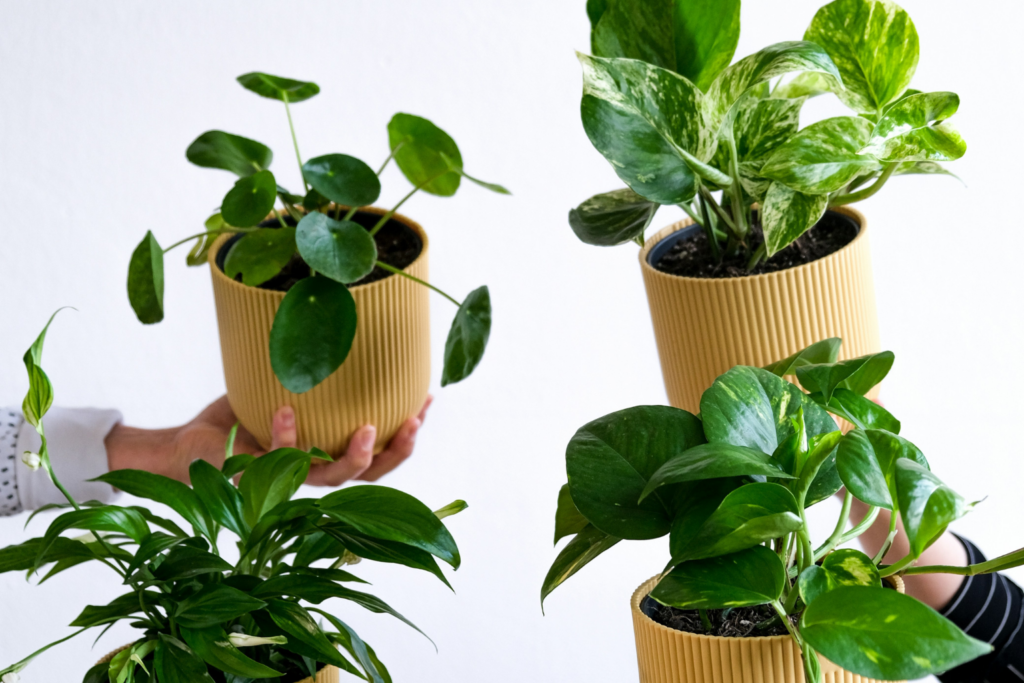
Although cut flowers and live plants are often grouped together in horticultural trade, they follow very different rules, logistics models, and risk profiles when exported internationally.
For buyers sourcing from overseas, understanding these differences is essential for choosing the right product category, managing compliance, and setting realistic expectations for delivery and quality.
In the context of fresh flower exports, cut flowers dominate global trade because they are faster to ship, easier to regulate, and better suited to air freight logistics.
Live plants, while valuable in certain markets, require a fundamentally different export approach.
What Qualifies as Cut Flowers Versus Live Plants
Cut flowers are harvested stems without roots or soil, intended for decorative use.
They are usually shipped in bunches or cartons and enter markets as perishable consumer goods.
Most international fresh flower exports consist of cut flowers due to their simplicity and scalability.
Live plants, by contrast, include rooted plants, seedlings, bulbs, or plants shipped with growing media.
They are living organisms that must remain viable after transit, which significantly increases regulatory scrutiny and handling complexity.
Regulatory Differences in International Trade
Regulation is one of the most important distinctions between these two categories.
Cut flowers are regulated primarily for surface pests and visible contamination.
Inspection procedures focus on external plant health and cleanliness.
Live plants are subject to far stricter controls.
They are considered higher risk because soil and roots can carry invasive pests and diseases.
Many importing countries impose quarantine requirements, mandatory treatments, or post-entry inspections for live plants.
Because of this, exporters of cut flowers face fewer regulatory hurdles in international cut flower shipments compared to live plant exporters.
This regulatory simplicity contributes to the dominance of cut flowers in global trade.
Shipping Methods and Transit Time
Shipping requirements differ dramatically between cut flowers and live plants.
Cut flowers are optimized for fresh flower exports by air freight, where speed and temperature control are critical.
They are harvested, cooled, packed, and shipped within a narrow time window to preserve vase life.
Live plants often require longer transit times and more stable environments.
They may be shipped by sea or specialized air cargo with controlled humidity and light conditions.
Extended transit increases risk and cost, making live plant exports less flexible.
For buyers, this difference impacts inventory planning and lead times.
Cut flowers support fast turnover and predictable schedules, while live plants demand longer-term planning.
Cold Chain and Handling Requirements
Cold chain management is essential in fresh flower exports, but its application differs by category.
Cut flowers require low, stable temperatures to slow respiration and delay blooming.
Cold storage, refrigerated transport, and rapid airport handling are standard.
Live plants must balance temperature control with physiological needs.
Excessive cold can damage roots or stunt growth.
As a result, live plant handling involves more complex environmental controls.
This complexity increases operational risk and requires specialized expertise that fewer exporters possess.
Packaging and Physical Risk
Packaging design reflects the fragility of each product type.
Cut flowers are packed to protect stems and blooms while allowing airflow and hydration.
Standardized cartons and protective sleeves reduce damage during international flower shipping.
Live plants require protective containers that secure roots and growing media.
Packaging must prevent soil spillage, dehydration, and mechanical stress.
Improper packaging can lead to plant death or regulatory rejection.
Because of these challenges, packaging costs for live plants are typically higher than for cut flowers.
Quality Expectations and Buyer Use Cases
Quality assessment differs between cut flowers and live plants.
Cut flowers are evaluated on freshness, appearance, stem length, and vase life.
Consistency is critical for wholesale buyers and retailers.
Live plants are assessed on survival, growth potential, and long-term health.
Buyers often include nurseries and landscapers rather than florists.
This difference influences sourcing strategies and supplier selection.
Commercial Risk and Market Preference
From a commercial perspective, cut flowers present lower risk in fresh flower exports.
They move quickly, face fewer regulatory barriers, and align with established air freight systems.
This makes them suitable for high-volume international trade.
Live plants carry higher compliance costs and longer capital exposure.
As a result, they occupy a smaller niche in global horticultural exports.
Why Buyers Prefer Cut Flowers for International Sourcing
Buyers sourcing internationally prioritize reliability, speed, and predictability.
Cut flowers deliver on all three factors.
They integrate smoothly into international fresh flower exports, support rapid market response, and reduce compliance complexity.
Understanding the differences between cut flowers and live plants allows buyers to choose the right sourcing model, set accurate expectations, and work with exporters who specialize in their chosen category.
In global flower trade, clarity at this level reduces risk and improves long-term sourcing success.

 Astra Fund

 Emsflower
 Dammen Orange
 Esmeralda Farms

 Grupo Bafar