

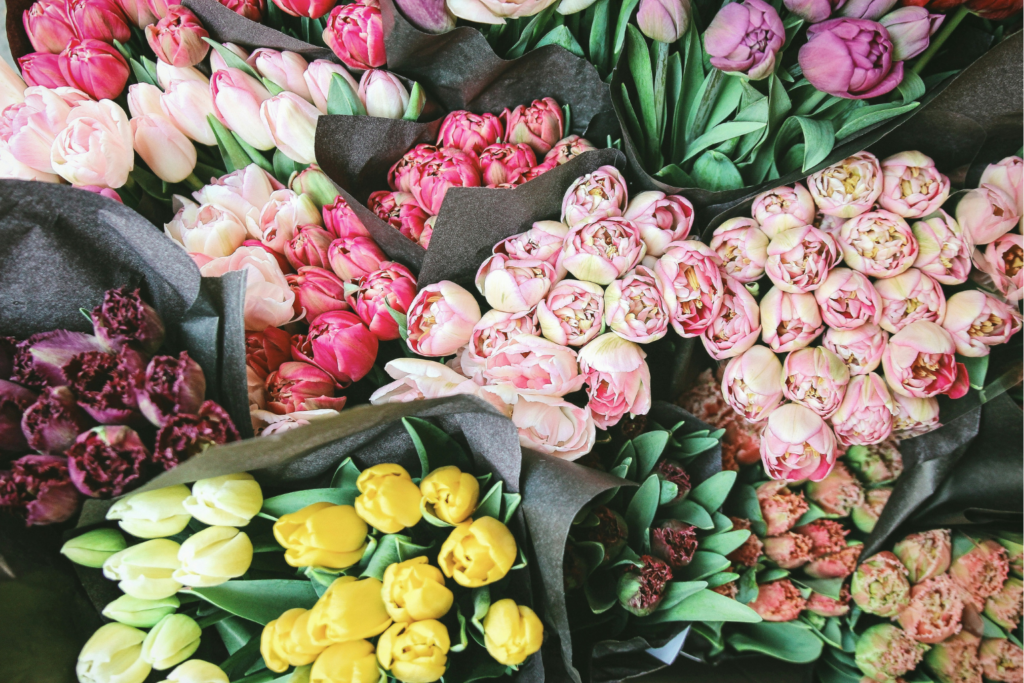
Shelf life is one of the most important measures of success in fresh flower exports.
The ability of flowers to remain fresh after long-distance transport determines buyer satisfaction and commercial value.
Exporters focus on extending shelf life through controlled handling, temperature management, and proper logistics.
Shelf life does not depend on a single factor.
It reflects the combined effectiveness of harvesting, cooling, packaging, and transport.
Understanding how shelf life is extended helps buyers evaluate export-quality fresh flowers more accurately.
What Shelf Life Means in Fresh Flower Exports
Shelf life refers to the period flowers maintain acceptable appearance and freshness after arrival.
In wholesale trade, this includes storage, distribution, and retail display time.
Longer shelf life is a key expectation in wholesale fresh flowers markets.
Export shelf life begins at harvest, not at delivery.
Every stage of the supply chain influences how long flowers last.
Exporters manage this entire process to meet buyer requirements.
Factors That Affect Flower Shelf Life
Several factors influence shelf life in international cut flower exports.
These include flower variety, harvest timing, temperature control, and handling quality.
Mechanical damage and dehydration reduce longevity.
Environmental conditions during transit also matter.
Temperature fluctuations and humidity changes accelerate aging.
Stable conditions are essential for preserving freshness.
Harvest Timing and Post-Harvest Handling
Correct harvest timing directly affects shelf life.
Flowers harvested at optimal maturity perform better during shipping.
This practice supports fresh flower export quality from farm to airport.
Post-harvest handling restores hydration and removes damaged stems.
Early stabilization improves long-term performance.
These steps are foundational to export success.
Role of Pre-Cooling and Cold Storage
Pre-cooling slows respiration immediately after harvest.
This process is central to cold chain management for fresh flower exports.
Removing field heat extends usable life.
Cold storage maintains flowers at stable temperatures before shipment.
Storage conditions are carefully controlled to avoid chilling injury.
Effective cold storage protects shelf life during pre-export stages.
Packaging’s Impact on Shelf Life
Packaging influences moisture retention and physical protection.
Well-designed cartons reduce stress during international flower shipping.
This helps preserve quality over long distances.
Packaging aligned with fresh flower export packaging standards supports airflow and hydration.
Poor packaging accelerates dehydration and damage.
Proper packaging is essential for maintaining longevity.
Transport and Transit Time Effects
Transit time is a major factor in shelf life outcomes.
Shorter routes preserve more usable life for buyers.
This is why fresh flower exports by air freight are preferred.
Delays reduce shelf life even when cold chain is maintained.
Exporters coordinate logistics carefully to minimize transit time.
Reliable transport improves market performance.
Use of Preservatives and Treatments
Some exporters use approved post-harvest treatments to extend shelf life.
These treatments slow bacterial growth and stem blockage.
They are used selectively in fresh cut flower exports.
Preservatives must comply with import regulations.
Overuse or misuse can damage flowers or violate standards.
Responsible use supports quality without risk.
Differences in Shelf Life by Flower Variety
Shelf life varies widely by flower type.
Roses and carnations generally last longer than delicate blooms.
Variety selection affects success in air freight flower exports.
Exporters align flower choice with destination and transit time.
This strategy builds on best fresh flowers for export by air freight.
Matching variety to logistics improves outcomes.
How Buyers Measure and Manage Shelf Life
Buyers assess shelf life based on arrival condition and post-arrival performance.
Longer shelf life reduces waste and improves profitability.
This is a key criterion in global flower export markets.
Buyers may adjust storage and hydration practices after arrival.
However, exporter handling has the greatest impact.
Strong shelf life performance builds supplier trust.
Shelf Life as a Reflection of Export Systems
Shelf life reflects the overall strength of export systems.
It indicates how well quality, cold chain, and packaging work together.
Weakness at any stage reduces performance in fresh flower exports.
Exporters with consistent shelf life results demonstrate reliability.
This supports long-term buyer relationships.
Shelf life is a practical measure of exporter capability.
Connecting Shelf Life to Quality and Logistics
Shelf life links directly to earlier stages of the export process.
It depends on practices explained in how fresh flower export quality is maintained from farm to airport.
Cold chain stability discussed in cold chain requirements for fresh flower exports is essential.
Packaging choices described in fresh flower export packaging standards also play a role.
Flower selection for air shipment further influences longevity.
Together, these elements define shelf life outcomes.
Why Shelf Life Matters in International Flower Trade
Shelf life determines the commercial success of exported flowers.
It affects pricing, buyer satisfaction, and repeat orders.
Strong shelf life performance supports competitive positioning in international fresh flower exports.
Understanding shelf life helps buyers choose reliable suppliers.
It also explains why professional export systems are essential.
Shelf life remains a central concern in global flower trade.

 Esmeralda Farms
 Astra Fund

 Nitaro Exports

 Nordvagen