

Fresh flower export quality depends on precise handling from the moment flowers are harvested until they are loaded for international transport.
Because cut flowers are highly perishable, exporters involved in fresh flower exports must control timing, temperature, and physical handling at every stage of the supply chain.
Maintaining quality is not a single action but a continuous process that begins at the farm and ends at the airport.
Harvest Timing and Flower Maturity
Quality preservation starts with harvesting flowers at the correct stage of maturity.
Flowers harvested too early may not open properly, while those harvested too late may have reduced shelf life, which directly affects wholesale fresh flowers sold in export markets.
Exporters follow variety-specific harvesting standards to ensure flowers can withstand long-distance transport.
Harvesting is usually done during cooler parts of the day to minimize heat stress.
Immediate shading after cutting helps reduce moisture loss and supports fresh cut flower export quality.
These early decisions directly affect vase life and buyer satisfaction.
Post-Harvest Handling at the Farm Level
Once harvested, flowers are moved quickly to post-harvest handling areas.
Stems are cleaned, sorted, and hydrated to restore moisture lost during cutting, a critical step in professional cut flower exporting.
This step stabilizes the flowers before further processing.
Post-harvest handling also includes removing damaged stems and ensuring uniformity.
Export-grade flowers are separated from domestic-grade product to meet international flower export standards.
This initial selection reduces quality issues later in the export process.
Temperature Control and Pre-Cooling
Temperature management is critical in fresh flower exports.
After harvesting, flowers are pre-cooled to slow respiration and delay aging, which is a core element of cold chain management for fresh flower exports.
Pre-cooling removes field heat and prepares flowers for cold storage.
Cold rooms maintain consistent temperatures specific to each flower variety.
Sudden temperature changes are avoided to prevent condensation and damage during international flower shipping.
Proper pre-cooling significantly extends shelf life during transit.
Grading and Quality Inspection
Before packaging, flowers undergo grading based on length, bud size, and appearance.
Uniform grading ensures buyers receive consistent shipments from fresh cut flower export suppliers.
Quality inspections identify defects such as bent stems, discoloration, or pest damage.
Exporters often conduct multiple inspections to reduce rejection risk.
This step protects both shipment value and exporter reputation in the global flower export market.
Reliable grading is a key expectation in wholesale flower trade.
Fresh Flower Export Quality – Packaging Preparation
Packaging plays a major role in protecting flowers during transport.
Export cartons are designed to support stems while allowing airflow, following fresh flower export packaging standards.
Hydration wraps or moisture pads are used to prevent dehydration.
Flowers are packed tightly enough to prevent movement but not crushed.
Packaging configurations are adjusted based on transit duration and destination climate in international fresh flower exports.
Well-prepared packaging minimizes mechanical damage during handling.
Cold Storage Before Airport Transport
After packaging, flowers are placed in cold storage until transport to the airport.
Cold storage maintains optimal temperature and humidity levels as part of the fresh flower export cold chain.
This holding period ensures flowers remain stable before shipment.
Storage time is carefully managed to align with flight schedules.
Delays at this stage can shorten shelf life and affect export flower freshness.
Efficient coordination reduces unnecessary storage time.
Transport From Farm or Facility to Airport
Transport to the airport is typically done using refrigerated vehicles.
Temperature is monitored throughout the journey to maintain export-quality fresh flowers.
Exposure to heat during loading or unloading is kept to a minimum.
Exporters plan transport routes and timing carefully.
Even short temperature breaks can affect flower quality in air freight flower exports.
Consistent cold chain management is essential up to airport delivery.
Airport Handling and Export Readiness
At the airport, flowers are handled according to perishability protocols.
Shipments are prioritized to reduce time outside temperature-controlled areas, supporting fresh flower exports by air freight.
Export documentation is finalized to avoid delays.
Coordination with freight handlers ensures flowers are loaded quickly.
Efficient airport processes help preserve freshness before departure in international cut flower shipments.
This final stage is critical in maintaining export-quality standards.
Why Quality Control Matters in Fresh Flower Exports
Maintaining quality from farm to airport protects the value of fresh flower exports.
Buyers rely on consistent quality to meet retail and wholesale expectations in global markets.
Poor handling at any stage can result in financial loss and damaged relationships.
Exporters with strong quality systems gain trust and repeat business.
Quality control is a competitive advantage for cut flower exporters.
It also supports longer shelf life and better performance in destination markets.
How This Supports Reliable Fresh Flower Exports
Quality preservation from farm to airport is the foundation of successful wholesale fresh flower exports.
Each step in the process contributes to freshness, appearance, and longevity.
When these systems work together, exporters can deliver products that meet international buyer standards.
This process underpins the broader fresh flower export supply chain.
Understanding it helps buyers evaluate exporters more effectively.
It also explains why professional handling is essential in global flower trade.

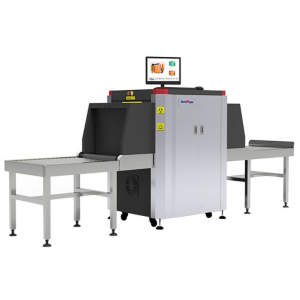
 Khomanani
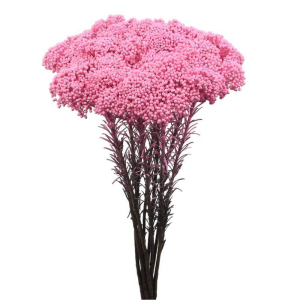
 Esmeralda Farms
 Astra Fund
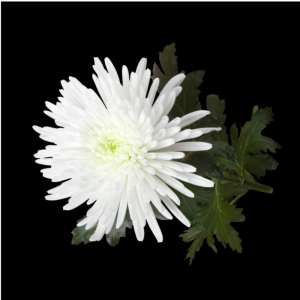
 Manjushree

 Volcon