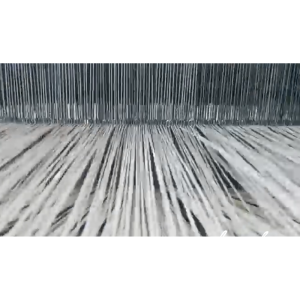
INTRODUCTION TO FLAX AND JUTE FIBERS
Flax and jute fiber export is huge. These natural fibers are the most important natural bast fibers used in textile, composite, and industrial markets.
Their renewable nature, impressive strength-to-weight ratio, and sustainable identity make them highly attractive for manufacturers and exporters alike.
When sourced in bulk and via wholesale channels, these fibers unlock economies of scale and reliable supply chains for global buyers.
Connecting with verified fiber suppliers ensures quality, consistency, and export readiness for natural textile and composite applications.
FLAX FIBER FOR TEXTILES AND COMPOSITES
Flax fiber is widely used in linen textiles, high-end fabrics, and increasingly in composite materials for automotive, construction, and packaging sectors.
The global flax fiber market is projected to reach over USD 1.3 billion by 2033, driven by demand for eco-friendly materials.
Wholesale suppliers of flax fiber provide processed bast, scutched, or long fiber bales tailored for textile mills or composite manufacturers.
Buyers seeking flax fiber for sale should review fiber length, fineness, impurity levels, and moisture content to ensure performance in both yarn spinning and structural composites.
JUTE FIBER FOR INDUSTRIAL AND ECO-TEXTILE APPLICATIONS
Jute fiber has been a traditional staple for coarse textiles, sacks, geotextiles, mats, and more eco-oriented products.
Global trade data show that jute and jute-like bast fibers continue to grow — for example processed jute fibers (tow and waste) posted a CAGR of +5.3 % from 2013-2024.
Wholesale jute fiber suppliers offer raw or retted bast bales, waste or tow grades, and processed forms for composites or textile reinforcements.
Purchasing jute fiber in bulk allows manufacturers and converters to reduce cost per unit and secure long-term supply for textile and composite production.
WHOLESALE & BULK PACKAGING OPTIONS
Suppliers of flax and jute fiber in the export market provide bulk packaging, typically compressed bales, wrapped bundles, or container-load shipments.
Wholesale orders often include large volumes suitable for textile mills, composite manufacturers, or exporters who re-package for their own clients.
Bulk fiber procurement reduces per-ton cost, improves logistics efficiency, and supports large-scale industrial operations.
Buyers looking for fibers for sale in volume should confirm bale weight, fibre grade, moisture content, labeling, and export documentation.
APPLICATIONS IN NATURAL TEXTILES AND COMPOSITES
Flax fiber finds use not only in linen fabrics but also in vehicle interior parts, bio-composite panels, and lightweight structural elements.
Jute fiber serves traditional uses such as sacks and bags but also modern roles in geotextiles, composite reinforcement, packaging substrates, and sustainable furniture.
Both flax and jute fibers are increasingly chosen over synthetic fibers because they help meet sustainability goals, reduce CO₂ footprint, and appeal to eco-conscious markets.
For buyers sourcing these fibers, aligning fibre specifications with intended end-use (textile vs composite) is critical for performance and cost-effectiveness.
EXPORT MARKET TRENDS & GLOBAL SUPPLY CHAINS
The export outlook for flax fiber is modest yet positive, with growth driven by sustainable material demand and composite applications.
Jute fibre exports are strengthening in certain categories (processed but not spun bast fibres) despite modest volume growth overall.
Emerging markets in Africa, Asia and Latin America are both suppliers and buyers, increasing global trading opportunities for natural fibers.
Wholesale export of these fibers demands attention to logistics, moisture protection, bale compression, and export documentation to ensure quality on arrival and safe transit.
HOW TO SOURCE FLAX AND JUTE FIBERS GLOBALLY
When sourcing flax or jute fiber, buyers should evaluate fibre grade (length, fineness, impurities), bale packing, and export readiness.
Request sample bales before large bulk orders to verify performance in spinning, composite lay-up or reinforcement processing.
Check that suppliers offer wholesale rates, transparent terms, and valid export documentation (certificate of origin, phytosanitary certificate if required, quality analysis).
Utilise digital trade platforms to compare multiple verified suppliers, negotiate pricing for bulk volumes and arrange shipment for exporters offering fibre for sale worldwide.
BENEFITS OF PURCHASING BULK AND WHOLESALE
Bulk sourcing of natural fibers allows manufacturers to lock in supply, standardise quality, and optimise cost per ton.
Wholesale orders support large-scale operations — textile mills, composite plants, packaging converters — enabling economies of scale and improved margin.
Reliable bulk fibre supply ensures production continuity, reduces risk of raw material shortage and positions buyers to respond quickly to market demand.
CONCLUSION
Flax and jute fibers present strong opportunities for global buyers focused on natural textiles and bio-composite applications.
By connecting with wholesale exporters who supply these fibres in bulk for sale, manufacturers gain access to sustainable raw materials and robust global supply chains.
The wholesale market for flax and jute fiber is evolving with demand for eco-friendly solutions, so entering early and establishing trusted supplier relationships is key.
We invite buyers to explore fibre listings, review supplier profiles, and initiate bulk quotes to secure flax and jute fiber for their next textile or composite production run.

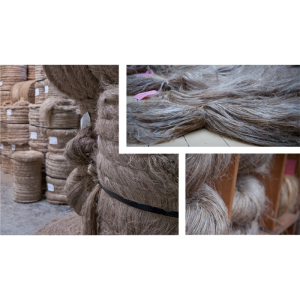
 The Flax Company
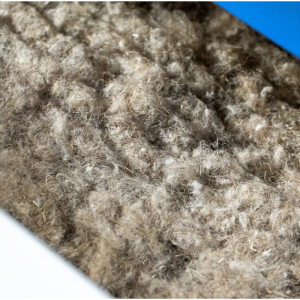
 Castellins
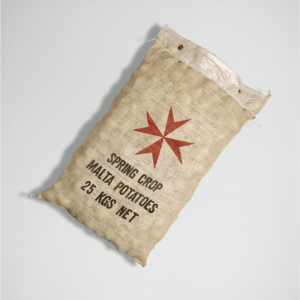
 NNZ
 Dunagro

 National Nonwovens