Introduction
To start a rice export business internationally can be a lucrative venture, as rice is one of the most widely consumed staple foods worldwide. With growing demand in regions like Africa, the Middle East, and Europe, connecting with global buyers can open up significant opportunities for small and large-scale suppliers.
Yaarli.com serves as a trusted platform where exporters and buyers can connect securely, making it easier to start and grow your rice trade business. Start a rice export business by reading this article, then reading everything else on the Yaarli blog about how to start a rice export business. Finally, register to find suppliers. Or list the rice products you want to export.
1. Understand the Global Rice Market
Before exporting rice, it’s essential to research the global rice market:
- Identify high-demand regions such as Nigeria, Saudi Arabia, UAE, and the UK.
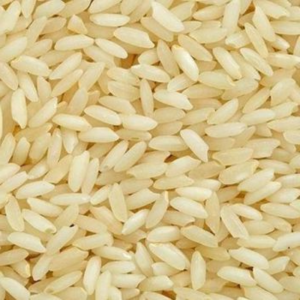
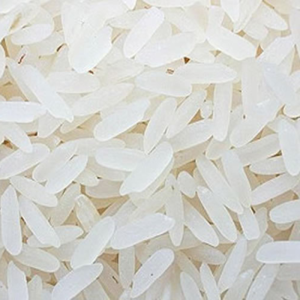
- Learn which types of rice are most sought after, including white rice, basmati, jasmine, and organic varieties.
- Keep track of market trends and pricing to remain competitive.
2. Identify Your Niche and Rice Type
Choosing a niche helps differentiate your business:
- Bulk rice export for large-scale buyers
- Organic rice export for premium markets
- Specialty rice like basmati or jasmine for high-value clients
Understanding your niche ensures you target the right buyers and optimize your supply chain.
3. Find Reliable Rice Suppliers or Producers
If you’re not producing rice yourself, finding reliable bulk rice suppliers is crucial.
- Verify suppliers’ certifications and quality standards.
- Consider working with organic or certified rice producers for niche markets.
- Use marketplaces like Yaarli.com to connect with trusted suppliers globally.
4. Understand Export Regulations and Documentation
Exporting rice internationally requires compliance with laws and regulations:
- Export permits and licenses for your country
- Phytosanitary certificates and customs documentation
- Knowledge of import requirements in your target markets
Proper documentation avoids shipment delays and legal issues.
5. Logistics and Shipping: Understand Before you Start a Rice Export Business
Efficient logistics is key to successful rice export:
- Use bulk packaging and proper storage to maintain rice quality.
- Choose reliable freight companies for air or sea shipment.
- Plan for insurance to protect shipments during transit.
6. Connect with Global Buyers
Finding buyers is critical to scaling your rice export business:
- Join international trade marketplaces like Yaarli.com.
- Attend virtual trade fairs or export networking events.
- Build long-term relationships with buyers by providing consistent quality and reliable supply.
7. Pricing and Profitability
Pricing your rice competitively ensures profitability:
- Research market rates in your target countries.
- Factor in logistics, customs duties, and quality premiums.
- Consider offering bulk discounts or long-term supply contracts to attract major buyers.
8. Tips for Success
- Start a rice export business small and scale gradually as you gain experience.
- Keep up-to-date with global rice market trends when getting started in international rice trade
- Focus on quality, certifications, and reliable delivery to build trust.
- For documentation, go to your national authority. For instance, in India you can find what you need here
Summary
This guide explains how to start a rice export business by first understanding global demand and key markets, including high-consumption regions such as Africa, the Middle East, and Europe.
It highlights the importance of choosing the right rice type and niche—whether bulk, specialty (like basmati or jasmine), or organic varieties—to match buyer preferences and pricing. Finding reliable suppliers or producers with proper certifications is essential if you don’t grow rice yourself, and using platforms like Yaarli.com can help connect with trusted partners.
The article stresses the need to comply with export regulations, acquire necessary documentation like export permits and phytosanitary certificates, and understand customs requirements in target markets. Efficient logistics and proper packaging for shipment—by air or sea—are crucial to maintain product quality. Finally, it advises connecting with global buyers through trade marketplaces and networking, and pricing competitively to grow the business successfully.
Do this next!
Ready to start a rice export business internationally? Connect with verified suppliers and buyers worldwide on Yaarli.com

 K-Agriculture

 Metro
 Alpura

 Atiku Global Trading