

INTRODUCTION
Bulk trading in dried vegetables is a fast-growing segment of the agricultural export market. With rising demand for long-shelf-life, easy-to-transport ingredients, bulk dried vegetables exporters are playing a key role in feeding global food manufacturing and distribution networks.
From dehydrated onions and garlic to dried carrots, peas, and spinach, these products allow buyers to access essential ingredients year-round.
Through Yaarli.com, global buyers and exporters can connect directly, compare bulk pricing, and secure reliable supply chains for dehydrated and dried vegetables.
1. WHY TRADE IN DRIED VEGETABLES?
Dried and dehydrated vegetables offer distinct advantages in global trade:
- 🕓 Extended Shelf Life: Lasts 6–24 months depending on drying method.
- 🚢 Lower Freight Costs: Reduced weight and volume for bulk transport.
- 🍲 Versatile Use: Ideal for food manufacturers, soup blends, spice mixes, and ready meals.
- 🌍 Global Sourcing Flexibility: Can be traded across continents without spoilage.
These products meet growing global demand for convenient, shelf-stable food ingredients — especially in regions with limited cold storage infrastructure.
2. MOST POPULAR DRIED VEGETABLES IN GLOBAL TRADE
🧅 Onion (Dehydrated / Flakes / Powder)
Used in seasonings, sauces, and ready meals.
Top Exporters: India, China, Egypt.
🧄 Garlic (Granules / Minced / Powder)
Essential for flavoring and spice blends.
Top Exporters: China, India, Argentina.
🥕 Carrot (Flakes / Diced / Powder)
Used in soups and instant meals.
Top Exporters: Poland, China, Netherlands.
🫛 Peas & Green Beans (Dried / Dehydrated)
Popular for snack production and meal mixes.
Top Exporters: Canada, USA, India.
🥬 Spinach, Cabbage, and Celery
Used in soup mixes and functional foods.
Top Exporters: USA, China, Netherlands.
🌶️ Bell Pepper & Tomato Flakes
Provide color and flavor for seasoning blends.
Top Exporters: Spain, Turkey, China.
Each vegetable must meet moisture, color, and microbial quality standards before export.
“According to World Bank export data, in 2024 the global export value of dried vegetables (HS 071290) reached over US$1.113 billion with China alone contributing about 320 million kg. World Integrated Trade Solution”
3. HOW TO SOURCE VERIFIED EXPORTERS
Sourcing from verified dried vegetable exporters is critical for maintaining consistent product quality and compliance.
✅ Step 1: Browse by Product on Yaarli.com
Filter listings by vegetable type (e.g., onion, garlic, carrot) or region (e.g., India, Egypt, Spain).
✅ Step 2: Evaluate Exporter Credentials
Review:
- Export license & certifications (ISO, HACCP, BRC)
- Product range (flakes, granules, powders)
- Capacity and lead times
- Destination export experience
✅ Step 3: Request Quotations & Samples
Compare CIF/FOB rates, delivery timelines, and order minimums. Request samples for visual and taste assessment.
✅ Step 4: Inspect Quality Parameters
Check moisture (<7%), color uniformity, aroma, and microbial load per ASTM or Codex standards.
✅ Step 5: Confirm Packaging & Labeling
Common packaging:
- Laminated pouches for retail-ready export
- Poly-lined cartons for industrial use
- Bulk 20–25 kg bags for wholesale buyers
4. GLOBAL TRADE LANDSCAPE
🌍 Top Exporting Countries:
- India: Dehydrated onion, garlic, spinach
- China: Garlic, carrot, bell pepper
- Egypt: Onion, tomato flakes
- Netherlands: Carrots, celery, cabbage
- USA: Peas, spinach, kale
🌎 Top Importing Regions:
- Europe: Dehydrated onion, garlic, carrot
- Middle East: Onion flakes, garlic granules
- North America: Blends and powders
- Africa: Bulk ingredients for reprocessing
- Asia-Pacific: Snack ingredient manufacturers
The global dehydrated vegetable market is forecast to grow steadily, supported by rising demand from instant food and processed food industries.
5. EXPORT DOCUMENTATION REQUIRED
To trade dried vegetables internationally, exporters should prepare:
- Phytosanitary Certificate
- Certificate of Origin
- Commercial Invoice & Packing List
- Health Certificate
- Laboratory Analysis Report (moisture, microbiology)
- Organic Certification (if applicable)
Buyers should confirm destination-country import rules, especially for pesticide residue limits, labeling, and food safety standards.
6. BENEFITS OF SOURCING VIA YAARLI.COM
Yaarli.com enables verified trade connections between buyers and exporters of bulk dried vegetables:
✅ Verified Exporters Only — Registered, active companies
✅ Product Filters — Search by vegetable type and origin
✅ Quotation Requests — Compare CIF/FOB pricing
✅ Sample Requests — Quality verification before bulk orders
✅ Direct Messaging — Negotiate and finalize deals directly
With Yaarli, buyers save time, reduce risk, and access diverse global suppliers in one secure trade environment.
7. EXPORTER SUCCESS TIPS
To build a strong presence as a dried vegetable exporter:
- Maintain consistent color, size, and aroma
- Use moisture-proof, food-grade packaging
- Obtain HACCP, BRC, or ISO certification
- Offer competitive bulk pricing
- Highlight origin and traceability
- Respond promptly to buyer inquiries
Reliable communication and transparency build trust and repeat business.
CONCLUSION & CALL TO ACTION
The dried vegetables trade is an essential part of the global food supply chain, offering reliability, convenience, and profitability. Whether you’re sourcing onion flakes from India, garlic granules from China, or carrot powder from the Netherlands, verified exporters on Yaarli.com make global sourcing simpler.
Start your trade journey today:
👉 Browse or list your bulk dried vegetables at Yaarli.com

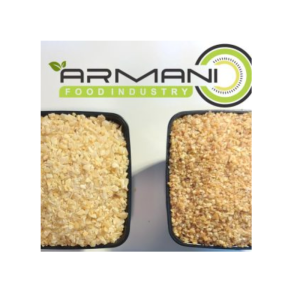
 Armani Food
 Prime Agro Import and Export

 Coalimex
 Kanteen
 Wilson Cables