

INTRODUCTION
Dried grains are the foundation of global food security and trade. From rice and wheat to maize, millet, and barley, these staple crops power economies, feed populations, and underpin the world’s agricultural export markets.
For importers, sourcing from verified bulk dried grains exporters ensures steady supply, quality consistency, and regulatory compliance. For suppliers, it’s a chance to access long-term buyers seeking dependable trade partnerships.
On Yaarli.com, global traders meet in one trusted space to connect, negotiate, and trade bulk grains efficiently.
1. WHY TRADE DRIED GRAINS IN BULK?
The international trade in grains is valued at over USD 500 billion annually. Dried grains — with their long shelf life and high volume demand — form the core of the B2B commodity trade.
Key benefits include:
- 🌾 Long-Term Storage: Dried grains can be stored 12–24 months.
- 💰 Bulk Cost Efficiency: Economies of scale reduce per-unit pricing.
- 🚢 Global Logistics Friendly: Non-perishable and easy to ship.
- 🏷️ Market Flexibility: Suitable for human food, feed, or industrial use.
Demand is driven by food processors, flour mills, breweries, and cereal manufacturers in major importing markets such as Asia, Africa, and the Middle East.
2. MAIN TYPES OF DRIED GRAINS FOR EXPORT
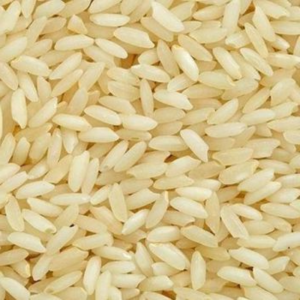
🌾 Rice (White, Parboiled, Brown)
The most traded grain globally. Top exporters include India, Thailand, Vietnam, and Pakistan.
🌽 Maize (Corn)
Used in food, feed, and ethanol. Exported by the U.S., Brazil, and South Africa.
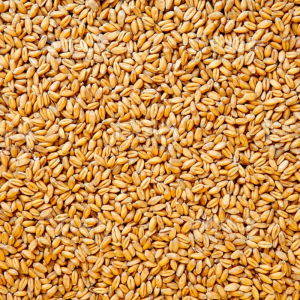
🌾 Wheat (Hard, Soft, Durum)
A global staple grown in Russia, Ukraine, Canada, and Australia.
🌿 Millet & Sorghum
Nutritious ancient grains gaining traction in health-conscious markets. Produced in India and Africa.
🌾 Barley & Oats
Used in malting, brewing, and animal feed. Key suppliers: EU, Canada, Australia.
Each grain type has specific moisture, grading, and purity standards required for export.
3. HOW TO SOURCE VERIFIED EXPORTERS
Finding reliable bulk grain exporters requires due diligence and structured sourcing steps:
✅ Step 1: Search on Yaarli.com
Browse listings by grain type (rice, wheat, maize) or country of origin.
✅ Step 2: Review Export Credentials
Check:
- Export license / company registration
- Quality certifications (ISO, HACCP)
- Moisture content reports
- Country of origin certificates
✅ Step 3: Request Bulk Quotes
Use Yaarli’s direct inquiry feature to compare FOB/CIF prices and delivery options.
✅ Step 4: Request Samples
Assess grain size, cleanliness, and packaging durability before finalizing deals.
✅ Step 5: Negotiate Terms
Agree on Incoterms, payment mode (T/T, LC), and shipping method.
This process ensures transparency and reduces trade risk.
4. KEY EXPORTING AND IMPORTING REGIONS
🌍 Top Exporting Regions:
- Asia: India, Thailand, Vietnam (rice, millet)
- North America: USA, Canada (maize, wheat, oats)
- South America: Brazil, Argentina (corn, soy-linked grains)
- Europe: Ukraine, Russia, France (wheat, barley)
- Africa: South Africa, Nigeria (sorghum, maize)
🌎 Top Importing Regions:
- Middle East: Wheat, rice, barley
- Africa: Maize, rice, sorghum
- Asia-Pacific: Feed grains for livestock
- Europe: Specialty grains and organic cereals
Global grain trade flows often follow seasonal availability and freight cost fluctuations, making diverse supplier networks crucial.
5. EXPORT DOCUMENTATION REQUIREMENTS
Exporters should prepare:
- Phytosanitary Certificate (pest-free confirmation)
- Certificate of Origin (tariff qualification)
- Moisture & Purity Report
- Packing List & Invoice
- Grain Grading Certificate
- Organic Certificate (if applicable)
Importers must check destination-country requirements, especially for residue levels and GMO labeling.
6. BENEFITS OF USING YAARLI FOR GRAIN TRADE
Using Yaarli.com simplifies grain trading by bringing together global participants in one B2B hub.
✅ Verified Exporters Only — active agricultural businesses
✅ Direct Buyer-Seller Contact — no brokers or middlemen
✅ Bulk Inquiry System — compare quotes instantly
✅ Product Categorization — by grain type, origin, or certification
✅ Access to Global Buyers — Africa, Europe, LATAM, and Asia
With all transactions and listings centralized, Yaarli reduces sourcing time and increases trust in cross-border grain trade.
7. EXPORT SUCCESS TIPS FOR SUPPLIERS
To stand out among bulk dried grains exporters, focus on:
- Maintaining low moisture (<13%)
- Offering competitive CIF pricing
- Displaying lab test results & photos
- Using durable PP woven bags (50kg)
- Responding promptly to buyer inquiries
- Securing logistics partners experienced in agri-bulk shipments
Reliability and quality assurance drive long-term trade relationships.
For detailed global trade data on grains and export-flows, see the FAO’s ‘Grains | Markets and Trade’ overview
CONCLUSION & CALL TO ACTION
The bulk grain market continues to expand as global food systems grow more interconnected. Exporters with verified credentials and buyers seeking steady supply can connect directly on Yaarli.com, a B2B trade platform built for transparent, secure agricultural commerce.
Whether sourcing wheat, maize, rice, or sorghum, use Yaarli to find credible partners and tap into emerging opportunities across continents.
👉 Start trading bulk dried grains today at Yaarli.com


 Brown Farm
 Wilmar

 SAAEE-Aquaculture

 Ascon Group

 Uyar Spice
 Brazilian Food TDA